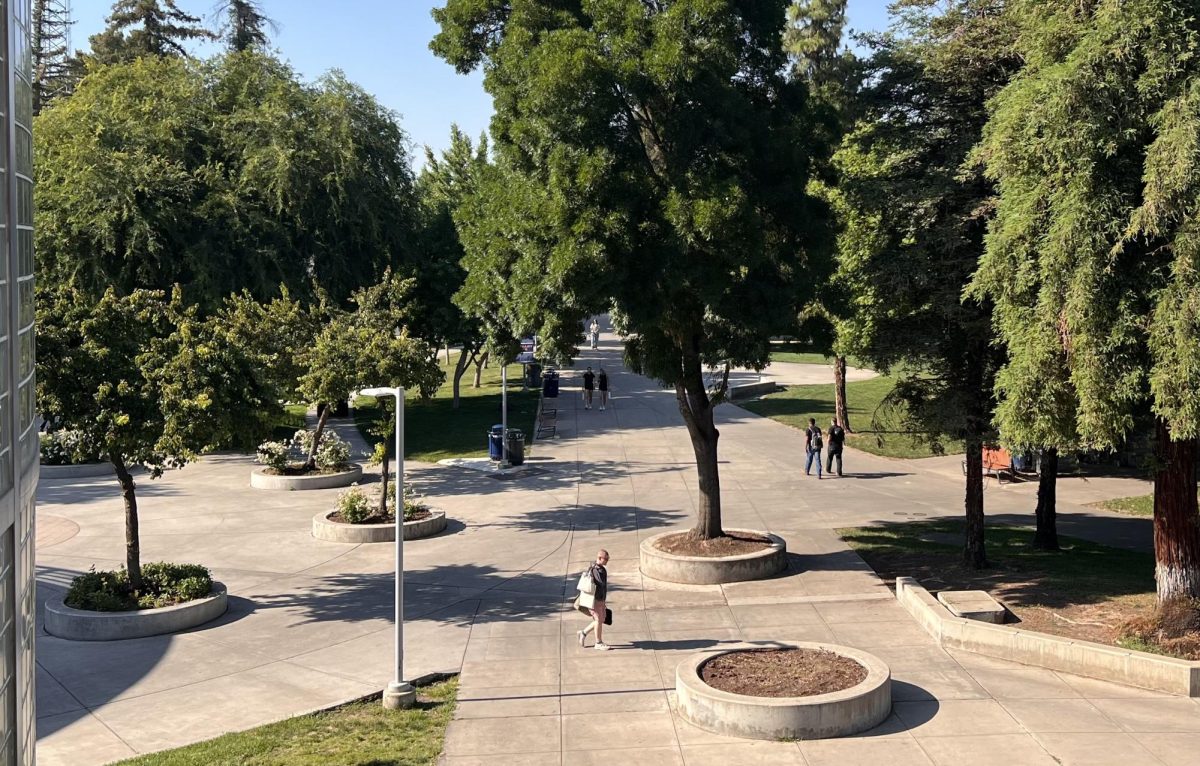
With the semester starting, we are introduced to new and old faces on campus. Strangers we have never seen in our classes walk among each other or sit a few feet away from us while eating lunch.
Small talk can be beneficial to build new relationships in your community. It’s a skill we all need to master not just to get through college, but as a basic life skill that continues beyond the classroom. Small talk can be about anything: the things we are fond of, the things we see or feel, and the experiences we have in our personal or academic lives.
Many students enjoy talking with each other, meeting new faces, and having the confidence to start conversations. However, other students are not comfortable speaking to someone they have just met minutes ago. For those students, small talk plays a much bigger role in their lives, especially when trying to keep a conversation flowing back and forth. They may become awkward or lose their words.
To better understand this, The Campus interviewed two College of the Sequoias students, Raul Alvarado and Gabriela De La Cruz. They shared their thoughts on how effective communication impacts their education at COS. Both agreed that small conversations on campus are crucial, especially when they feel stuck, whether it involves schoolwork or finding directions around campus.
According to Alvarado, small talk plays an important role in building confidence and creating connections. “Yes, small talk is very important. It allows you to gain confidence in public speaking. It allows you to meet new people while also making new friends. It opens you up to new experiences, ultimately,” Alvarado said.
For De La Cruz small talk can be uncomfortable. She mentions that, “Something that stops me from talking to someone is when I don’t see them trying to put the effort into talking. It just makes the conversation uncomfortable.”
Although exchanging a few words can be terrifying, those short moments can help shape campus culture. These brief interactions may seem small, but they can make a difference in a student’s life.